China Reshapes the Global Automotive Market: Towards Growing Dominance
China Reshapes the Global Automotive Market: Towards Growing Dominance
Strategic Turning Point
China is exporting vehicles at record levels, with an 18% growth in the first half of 2025 and European volumes up 91% year-over-year. Leading manufacturers such as BYD, Chery, Geely, and Nio are rapidly expanding their presence abroad, particularly across Europe and Africa.
Key Players and Industry Drivers
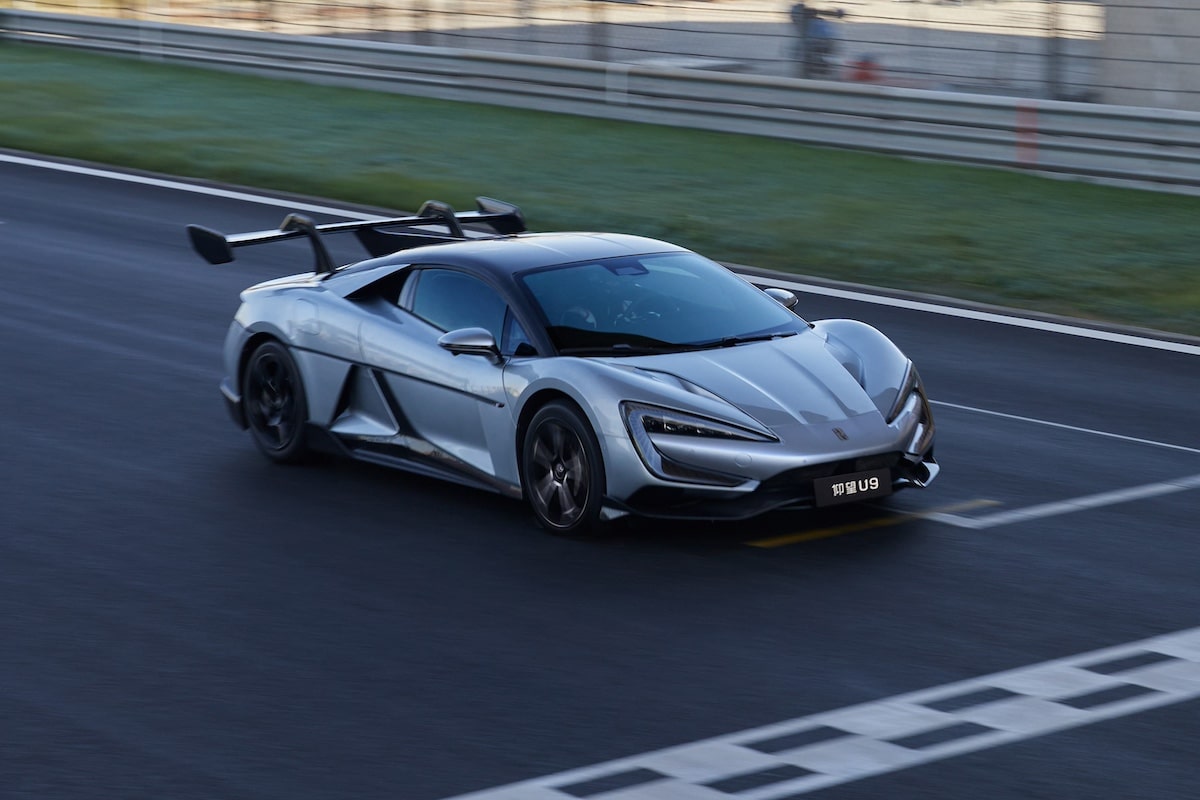
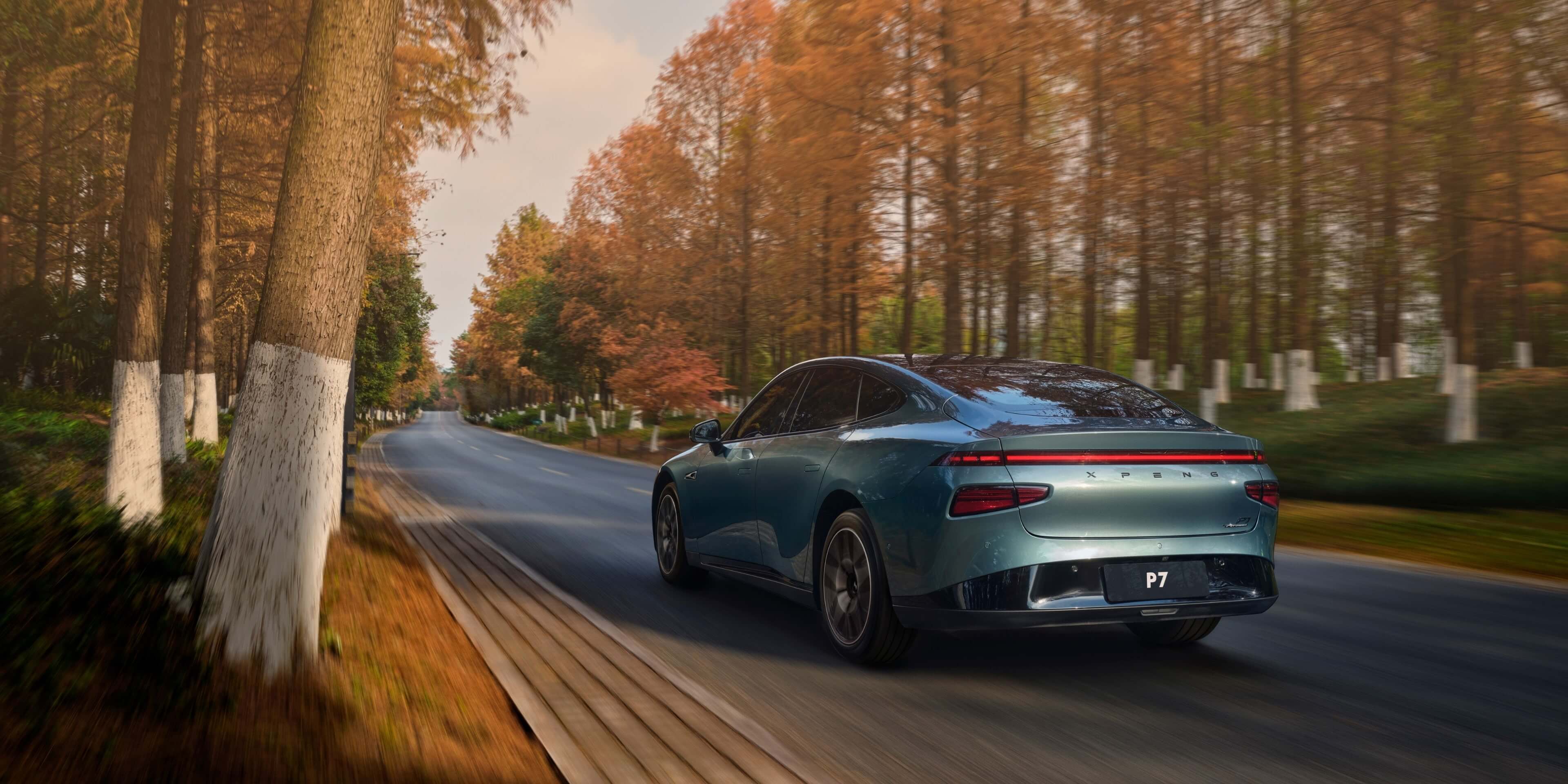
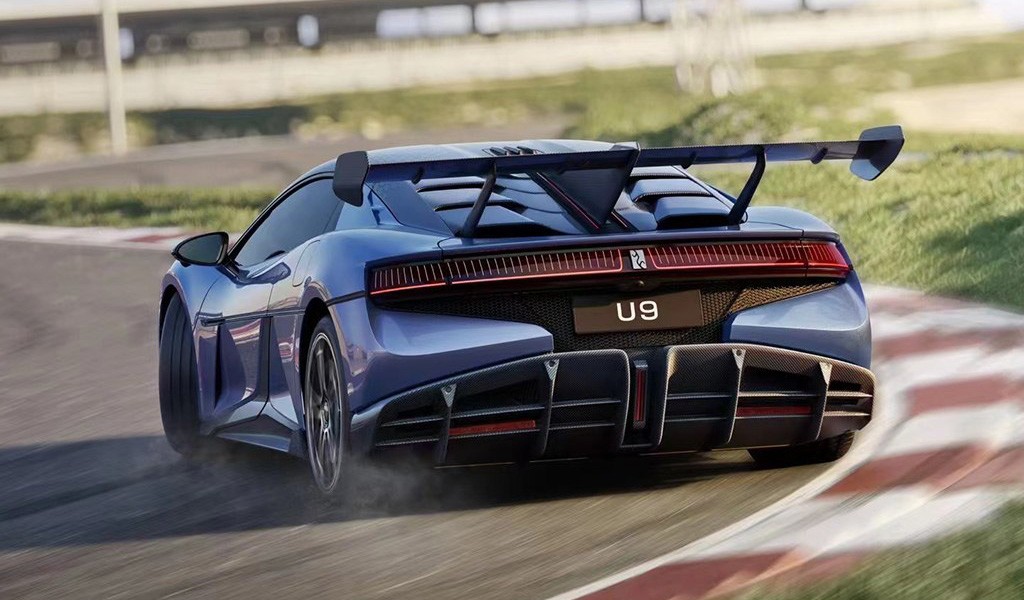
BYD leads the charge, while Chery, Xpeng, and Nio continue to accelerate their international growth. Strategic alliances such as Horse Powertrain (Geely / Renault / Aramco) demonstrate the increasing collaboration between Chinese automakers and global partners.
Impact on Global Markets and Legacy Automakers
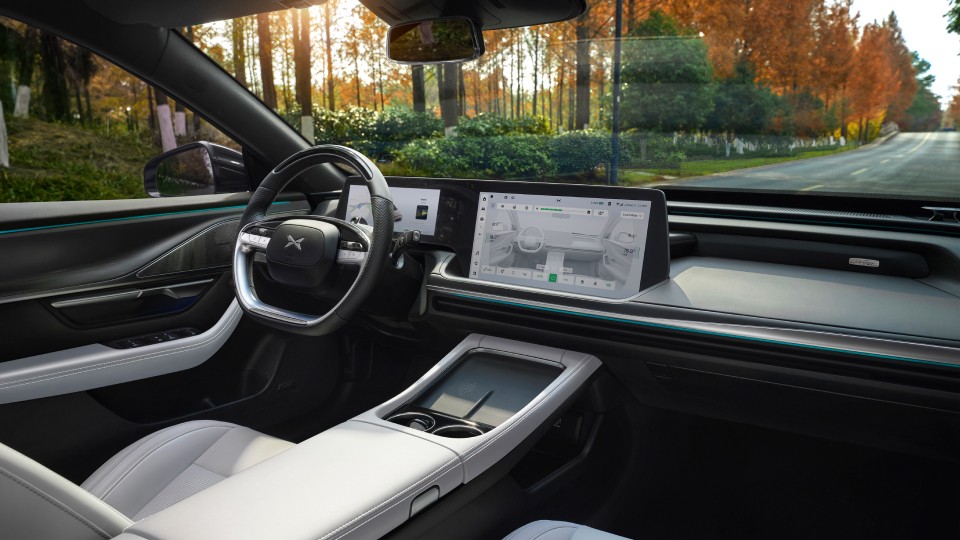
Traditional automakers are losing ground as the cost-to-technology ratio increasingly favors Chinese brands, which now dominate key areas such as batteries, electronics, and embedded software. European manufacturers are rethinking their strategies, turning to alliances and partial reshoring to remain competitive.
Challenges and Uncertainties
Overcapacity, trade barriers, brand perception, and geopolitical tensions present headwinds to China’s rise. Yet, its technological leadership and strong industrial ecosystem position it at the center of the global automotive landscape for the decade ahead.
China is no longer merely a participant in the automotive industry — it aims to become its driving force. This rapid ascent compels global competitors to rethink their economic models and technological strategies to stay relevant in a new era of mobility.
Strategic Turning Point
China is exporting vehicles at record levels, with an 18% growth in the first half of 2025 and European volumes up 91% year-over-year. Leading manufacturers such as BYD, Chery, Geely, and Nio are rapidly expanding their presence abroad, particularly across Europe and Africa.
Key Players and Industry Drivers
BYD leads the charge, while Chery, Xpeng, and Nio continue to accelerate their international growth. Strategic alliances such as Horse Powertrain (Geely / Renault / Aramco) demonstrate the increasing collaboration between Chinese automakers and global partners.
Impact on Global Markets and Legacy Automakers
Traditional automakers are losing ground as the cost-to-technology ratio increasingly favors Chinese brands, which now dominate key areas such as batteries, electronics, and embedded software. European manufacturers are rethinking their strategies, turning to alliances and partial reshoring to remain competitive.
Challenges and Uncertainties
Overcapacity, trade barriers, brand perception, and geopolitical tensions present headwinds to China’s rise. Yet, its technological leadership and strong industrial ecosystem position it at the center of the global automotive landscape for the decade ahead.
China is no longer merely a participant in the automotive industry — it aims to become its driving force. This rapid ascent compels global competitors to rethink their economic models and technological strategies to stay relevant in a new era of mobility.