


News · 31 August 2026 · 4 min read
Long-Term Rental or Lease to Own: two ways to drive the same car for a year.
Two ways to drive the same car for a year. Only one ends with the keys in your name.
See our vehiclesTwo paths, one platform.
Every car on Rafale can be accessed in two different ways: Long-Term Rental or Lease to Own. Same vehicle, same monthly rhythm — but a different destination at the end of the contract. That choice matters more than it looks. It's less about the car itself and more about what you want your relationship with it to be: something you use for a while, or something you're building toward owning outright. Whether you're looking at a daily SUV like the Jetour T2 or a performance sedan like the Audi RS 3, the same two options apply across the entire Rafale lineup.
Compare Long-Term Rental and Lease to OwnRent. Or own.
Choosing between the two isn't about which is “better” — it's about which one matches how long you actually want to keep the car, and what happens once the contract ends.

Scroll
Included every month, on both contracts. The mileage, the servicing, the cover — the parts you actually use are identical. What changes is where the contract leaves you.
Same car. Different finish line.
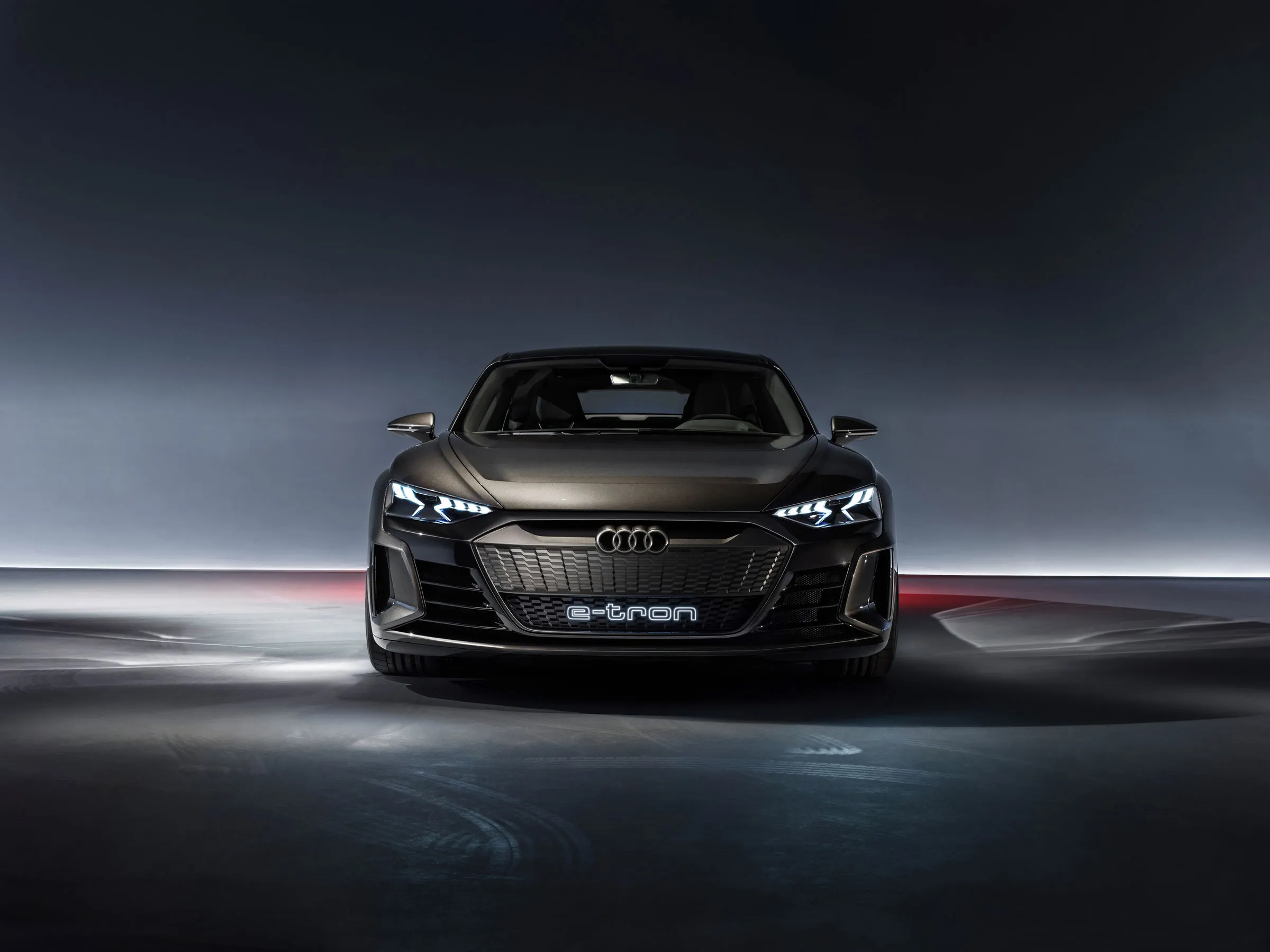
The car in your driveway is the same either way. The only thing the contract decides is whether, twelve months from now, you hand back a set of keys or keep them.
Same car. Different finish line.
Both options put you in a car.
Insurance, scheduled maintenance and home delivery are included either way.
Both options put you in a car.
| Long-Term Rental | Lease to Own | |
|---|---|---|
| Best for | Flexibility, no long-term commitment | Eventual ownership |
| Down payment | None required | Minimum 20% of vehicle value |
| End of contract | Vehicle returned | Vehicle owned outright |
| Ideal for | Drivers who like changing cars regularly | Drivers who already know which car they want to keep |
Long-Term Rental: built for flexibility.
Long-Term Rental is the simpler of the two commitments. You drive the car for the length of the contract, with no down payment required, and hand back the keys once the term ends. It suits drivers who value variety — someone who might want an SUV this year and a sedan the next — as well as anyone who isn't ready to commit to a single vehicle for the long term. Because there's no down payment and no path toward ownership built into the contract, it also keeps monthly payments more predictable, without the weight of a future buyout decision hanging over the term.
See Long-Term Rental terms on RafaleLease to Own: built for ownership.
Lease to Own follows a different logic. A minimum down payment of 20% of the vehicle's value is required upfront, followed by contractual monthly payments over the agreed term. Once every contractual obligation has been met, the car becomes yours outright. There's no separate buyout negotiation at the end — ownership is simply the natural conclusion of the contract you signed. This route suits drivers who already know they want to keep the car well beyond the first year, and who would rather build toward something permanent than restart the process with a different vehicle later.
See Lease to Own terms on Rafale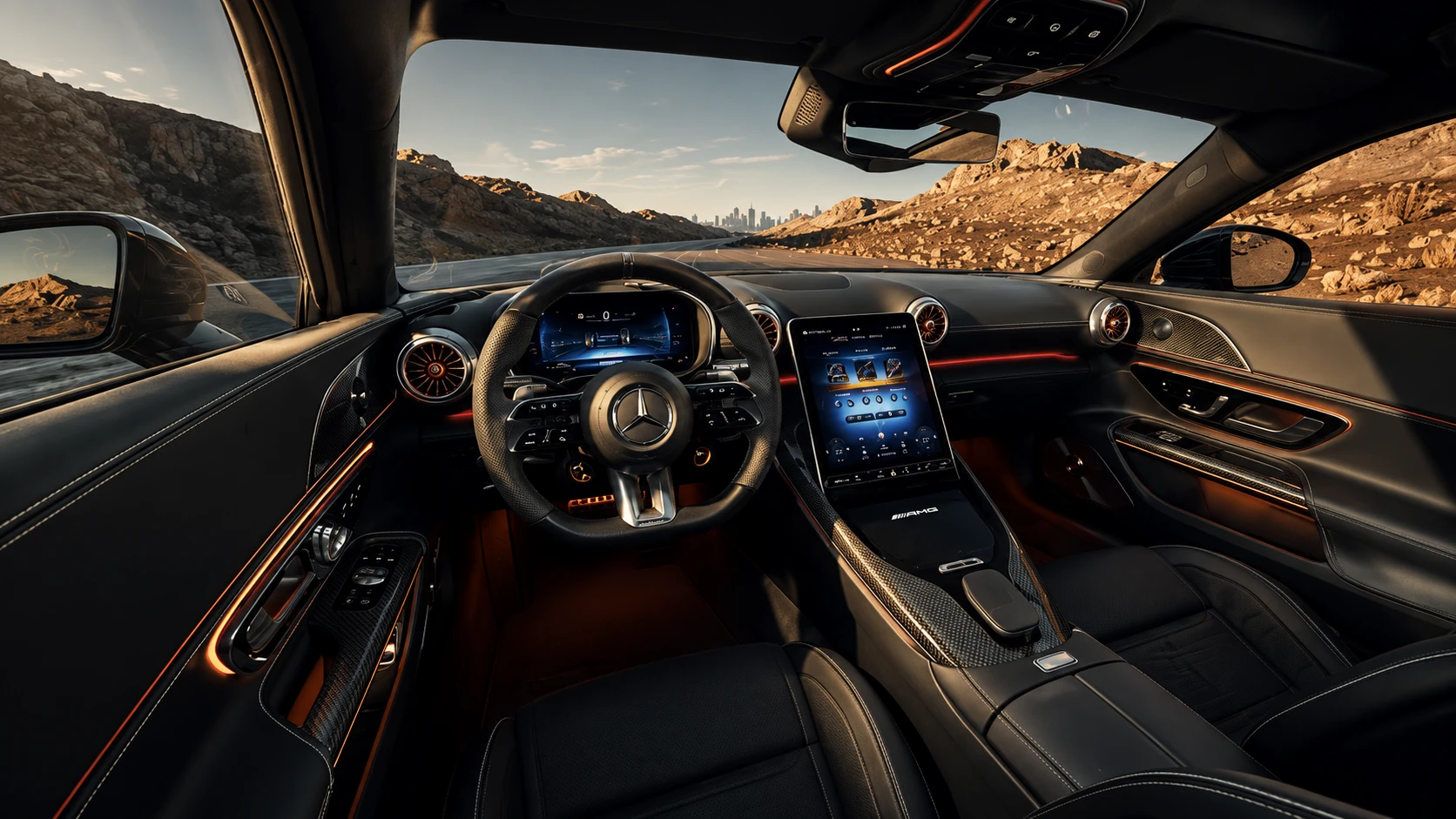

Long-Term Rental and Lease to Own aren't two versions of the same idea — they're built around two different questions. One asks how you want to drive this year. The other asks what you want to own next year.
Two questions. One answer each.
Which one fits your situation?
If you're not sure which option applies to you, the decision usually comes down to a handful of practical questions rather than the car itself. Do you expect your needs to change in the next year? Are you comfortable with a 20% down payment today in exchange for ownership later? Would you rather keep monthly costs as low and simple as possible, or start building equity in a vehicle from day one? Answering those questions honestly tends to point clearly toward one option or the other — and either way, the car and the platform stay exactly the same.

Why choose Rafale for Long-Term Rental or Lease to Own.
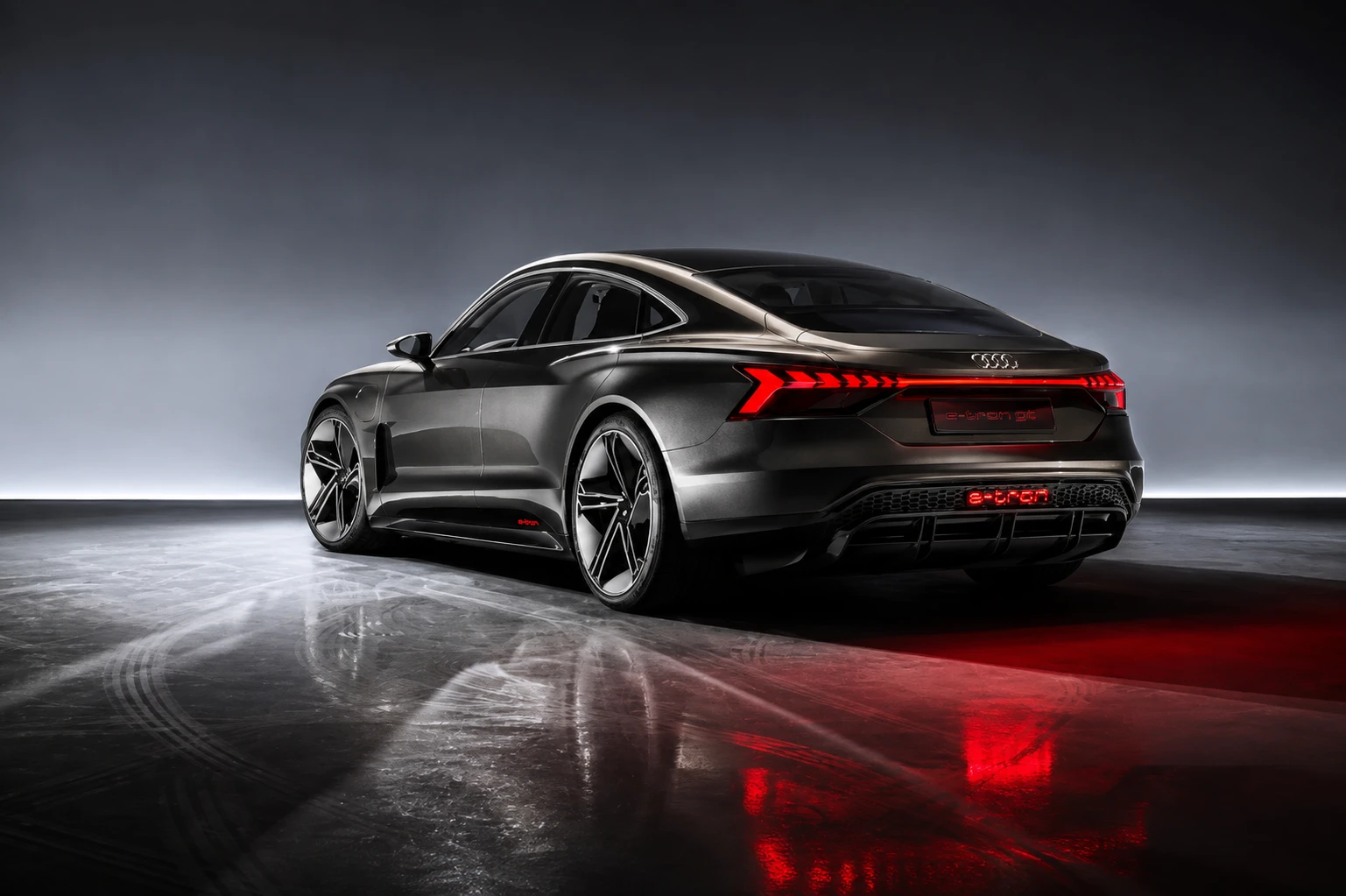
Rafale brings both access models together on a single UAE vehicle platform, so the decision isn't between two different providers — it's between two contract structures for the same car. Every vehicle listing shows both options side by side, with clear terms on down payment, contract length and what happens when the term ends, so you can compare before committing to either path.
Explore vehicles available with both optionsFrequently asked questions
Long-Term Rental lets you use a car for an agreed period with no down payment, returning it at the end of the contract. Lease to Own requires a minimum down payment of 20% of the vehicle's value, followed by monthly payments that lead to full ownership once the contract is completed.
No. Long-Term Rental requires no down payment, which is one of the main reasons drivers choose it over Lease to Own.
A minimum down payment of 20% of the vehicle's value is required before monthly payments begin under Lease to Own.
Both options are available across the Rafale lineup, from everyday SUVs to performance models. Each vehicle listing shows the specific terms for both Long-Term Rental and Lease to Own.
The vehicle is returned to Rafale at the end of the agreed contract period, with no further obligation on your part.
Once all contractual obligations are met, including the down payment and every scheduled monthly payment, ownership of the vehicle transfers to you outright.
Next step
Ready to choose your path?
Browse the full Rafale lineup to see which vehicles are available under Long-Term Rental and Lease to Own, then pick the structure that matches your plans in the UAE. Have more questions about down payments, contract length or eligibility? Visit our FAQ page for detailed answers before you book.
Start with Rafale